

Regeneron Gets Landmark FDA Approval for First Gene Therapy for Hearing Loss Leave a comment
For those born with a particular type of hearing loss, the main treatment option has been mechanical: an implant that turns sound into electrical signals that stimulate the auditory nerve, producing tone that’s often described as robotic. Eligible patients now have a biologic option. The FDA has approved a Regeneron Pharmaceuticals gene therapy that addresses the root cause of this hearing loss with the potential to restore normal acoustic hearing.
The FDA decision announced Thursday makes the Regeneron therapy the first genetic medicine for an inherited form of hearing loss. Known in development under the code name DB-OTO, Regeneron’s gene therapy will reach the market under the brand name Otarmeni.
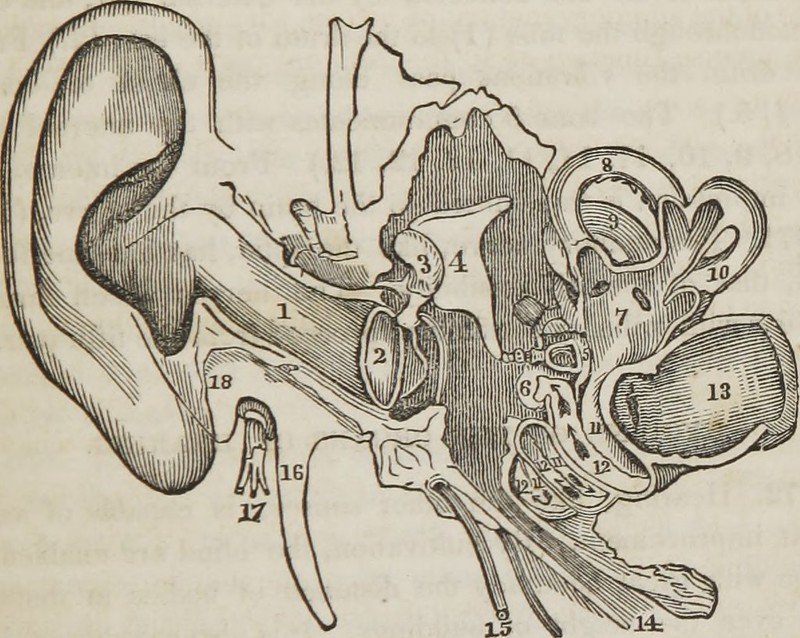
Otarmeni was developed for patients whose hearing loss stems from mutations to the OTOF gene, which provides the instructions for making a protein called otoferlin. Expressed in the inner hair cells of the cochlea, otoferlin regulates the transmission of signals between sensory cells of the inner ear and the auditory nerve. In patients with OTOF-related hearing loss, the structure of the inner ear is intact but OTOF mutations result in a lack of functional otoferlin protein. OTOF hearing loss is ultra-rare, diagnosed in about 50 newborns per year in the U.S., according to Regeneron.
Like many gene therapies, Regeneron’s uses an engineered virus to deliver a genetic payload to cells. Otarmeni carries to hair cells a functioning version of the OTOF gene. This therapy is administered as an infusion into the cochlea under general anesthesia, which is similar to the procedure used for cochlear implants. The cells then use that gene to produce otoferlin. Otarmeni is intended to be a one-time treatment, but its durability still needs to be assessed with longer follow-up in treated patients.
The FDA review of Otarmeni was based on the results from an ongoing single-arm study comparing treated patients with the natural history of patients with untreated hearing loss. The study, named CHORD, enrolled 25 participants age 10 months to age 16. To be eligible, participants must not have had a prior cochlear implant in the ear intended for the gene therapy. In interim results from 12 patients reported last fall, Regeneron said 11 experienced clinically meaningful hearing improvement, including three who achieved normal hearing. With longer follow-up, eight showed stability or continued improvement in hearing. These results were published last October in the New England Journal of Medicine.
Regeneron’s regulatory submission included additional data from more patients. The FDA said that of the 20 patients who could be evaluated for efficacy, 80% experienced improved hearing. The most common adverse reactions reported in the study included middle ear infection or inflammation, vomiting, nausea, dizziness, and pain from the procedure. In Regeneron’s approval announcement, CHORD investigator Dr. Eliot Shearer said the results showed rapid, meaningful, and consistent hearing responses.
“I’ve witnessed firsthand my trial participant responding to their mother’s voice, dancing to music and interacting with the world, and these moments are now possible for more children born with this specific form of hearing loss,” said Shearer, who is an otolaryngologist in the department of otolaryngology and communication enhancement at Boston Children’s Hospital and a professor of otolaryngology-head and neck surgery at Harvard Medical School.
Otarmeni was the lead program of Decibel Therapeutics, a biotech company focused on developing treatments for hearing. Decibel developed this gene therapy under a partnership with Regeneron. In 2023, Regeneron acquired Decibel in a deal set to pay out $213 million including milestone payments.
Regeneron won’t make any money from selling Otarmeni. The company said it will provide the gene therapy for free, though that offer does not include covering the costs for administering it, which patients will need to work out with providers and payers. In an emailed statement, Regeneron President and Chief Scientific Officer George Yancopoulos said the decision to charge nothing for Otarmeni stems from the desire to use “the power of science to make a real difference for humanity.”
“As we saw the amazing CHORD clinical data, we had many discussions internally about how to make sure this scientific breakthrough would be able to reach its full potential and help as many people as possible,” he said.
Otarmeni has value to Regeneron beyond money. The development program and FDA approval provide clinical and regulatory validation to the company’s approach to treating inherited hearing loss, which could pave the way for more gene therapies addressing much larger patient populations. At the time of the Decibel acquisition, the biotech’s pipeline included two additional gene therapies in preclinical development for common forms of genetic hearing loss.
Even though Regeneron won’t charge for Otarmeni, the company may yet see a payday from it. Alongside the approval, the FDA awarded Regeneron a rare pediatric disease priority review voucher, according to FDA correspondence. While such vouchers may be used to speed up the regulatory review of an eligible rare disease therapy in the future, most voucher recipients sell them to pharmaceutical companies. Early this year, Jazz Pharmaceuticals and Fortress Biotech disclosed voucher sales of $200 million and $205 million respectively.
The FDA granted Otarmeni a particularly swift regulatory decision. Last fall, this therapy was among the first nine selected for a pilot program that speeds up the regulatory review of medicines for unmet medical needs or national health priorities. The FDA said it approved Otarmeni 61 days after Regeneron submitted its biologics license application. It’s the sixth approval under this program and the first for a gene therapy.
The regulatory nod for Otarmeni is an accelerated approval, which means retaining approval status will require Regeneron to provide additional post-marketing data. The FDA said these data should show durability of hearing improvement along with verification of the treatment’s effects on speech development and quality of life.
Public domain photo by Flickr user Internet Archive Book Images
