
Bayer Reveals Data That Could Make Stroke Prevention Drug Its Next Blockbuster Product Leave a comment
For those who have experienced a stroke, the chances of a second one are high. An experimental Bayer drug reduced this risk by 26% in a pivotal trial, supporting the case for this pill as a potential new treatment option for patients. For Bayer, the drug brings the opportunity to be first to market in a new class of medicines addressing a large indication offering blockbuster potential.
Bayer announced this drug, asundexian, met the main goals of its Phase 3 test in secondary stroke prevention last November, but released no details at the time. The company did say it would begin speaking with health authorities as it prepares for regulatory submissions. Bayer also said data would be presented at an upcoming medical meeting. The data reveal happened Thursday during the International Stroke Conference in New Orleans.
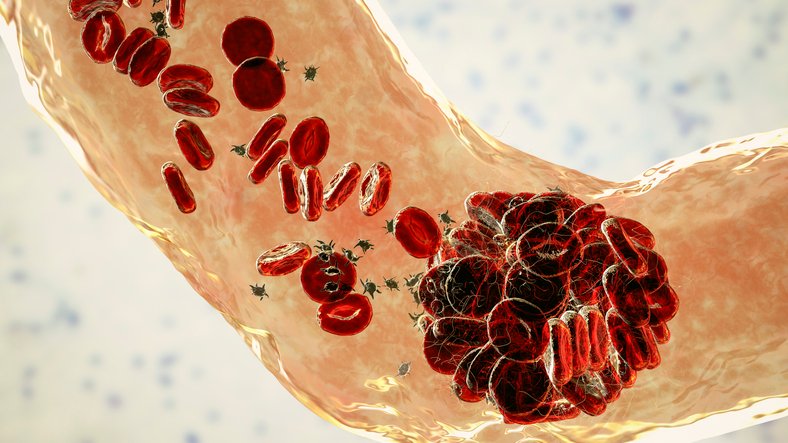
Following a stroke, antiplatelet drugs and blood thinners (including aspirin, which Bayer still makes) can be used to prevent a second stroke. But these drugs increase the risk of bleeding, particularly with extended use. Asundexian is a small molecule designed to block Factor XIa, a protein in the coagulation cascade that plays key roles in hemostasis and thrombosis. By blocking this target, Bayer hoped to reduce stroke risk without also increasing the risk of bleeding.
Bayer evaluated asundexian in OCEANIC-STROKE, a global Phase 3 study that enrolled 12,327 participants representing all common stroke subtypes. The study drug was tested alongside antiplatelet therapy and compared to a placebo and antiplatelet therapy. The primary efficacy endpoint was measuring the time to ischemic stroke; the primary safety endpoint was the time to the first occurrence of major bleeding.
Besides meeting the main goal of reducing the risk of ischemic stroke, the results also showed asundexian met secondary goals, reducing the risk of stroke of any kind by 26%. The safety analysis showed no increase in the rate of major bleeding in the study drug group compared to placebo. In Bayer’s announcement of the results, Dr. Ashkan Shoamanesh, senior scientist at Population Health Research Institute and co-principal investigator of the study, said the consistent reduction in secondary events across all types of stroke “is particularly striking.”
“OCEANIC-STROKE was deliberately designed with the goal of making the findings generalizable to the many ways stroke presents in clinical practice,” he said. “These results provide confidence that, if approved, asundexian could become an important option for secondary stroke prevention across a broad range of stroke patients.”
Asundexian had previously posted disappointing data in another indication, failing a Phase 3 test in atrial fibrillation in 2023. During a conference call last year to discuss 2024 financial results, Head of the Pharmaceuticals Division Stefan Oelrich attributed that clinical trial failure to the comparison of the study drug to a very effective standard treatment in Eliquis, a blood thinner marketed by Bristol Myers Squibb and Pfizer. By contrast, asundexian’s comparator in the stroke study is a placebo, he said.
Bayer is in the midst of a multi-year turnaround that’s streamlining operations and seeking new drivers of revenue growth. Asundexian could be one of those drivers. Bayer hasn’t offered specific financial projections for the drug, but during the conference call, Oelrich said that if asundexian’s data readout is positive, the drug could become the first and only product approved for secondary stroke prevention.
“I could see definitely blockbuster potential for this indication alone,” he said.
Ausndexian may face competition in its class. Milvexian, a Factor XIa inhibitor in development by partners Bristol Myers Squibb and Johnson & Johnson, has reached Phase 3 testing in secondary stroke prevention and atrial fibrillation. But this drug has had its own stumbles. In November, BMS and J&J discontinued milvexian’s development for patients who had experienced an acute coronary syndrome event. The companies said a preplanned interim analysis concluded the Phase 3 trial was unlikely to meet its primary endpoint.
In a research note, Leerink Partners analyst David Risinger said given the Bayer drug’s Phase 3 success in secondary stroke prevention, the firm gives Bristol’s twice-daily pill an 80% chance of success in the indication. Phase 3 data for milvexian are expected in both stroke prevention and afib later this year. The field of Factor XI-inhibiting drug candidates also includes two antibodies from Regeneron Pharmaceuticals, both in mid-stage clinical development.
Illustration: Micro Discovery, via Getty Images
