
Trial Failure in the Skin Does Not Dent Insmed Drug’s Potential in the Lungs Leave a comment
Insmed’s new drug, Brinsupri, is still projected to reach blockbuster status, but an inflammatory skin disorder is no longer in the picture following a mid-stage clinical trial failure in this indication.
Both the low and high doses of Brinsupri failed to meet primary or secondary goals of a Phase 2b test in hidradenitis suppurativa, Insmed announced after Tuesday’s market close. The Bridgewater, New Jersey-based biotech said it will discontinue development of the drug in this indication.
Hidradenitis suppurativa (HS) is a chronic inflammatory skin disorder that leads to the formation of painful lumps on the skin. Topical antibiotics are the standard of care for mild cases. Oral antibiotics can reduce both inflammation and the flareups of the disease on the skin.
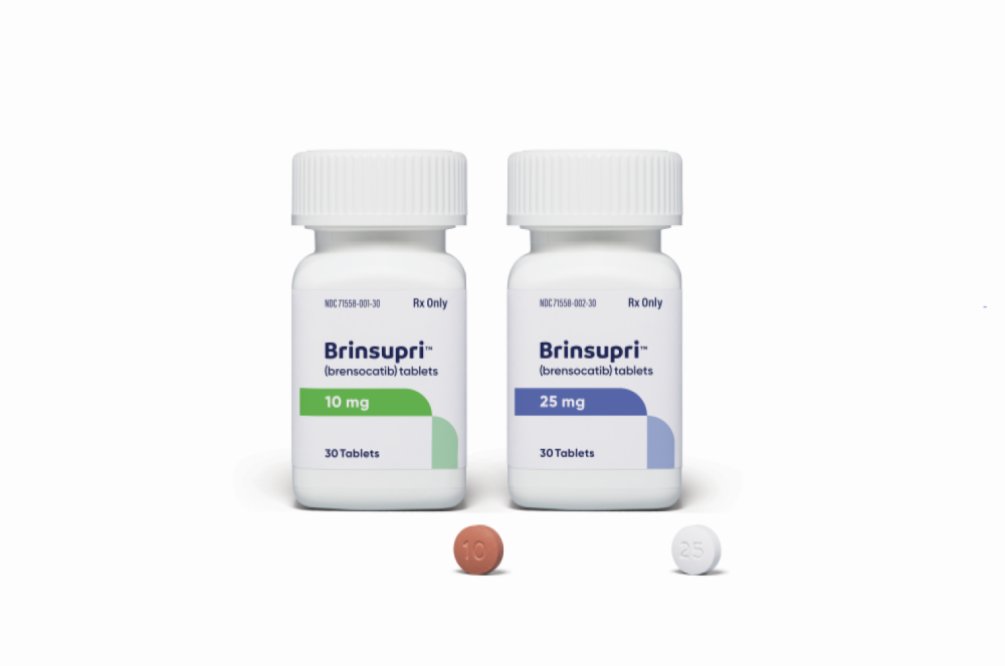
Brinsupri is an oral small molecule designed to inhibit dipeptidyl peptidase 1 (DPP1), an enzyme that leads to activation of neutrophils that play a role in immune and inflammatory responses. Last summer, Brinsupri won FDA approval for treating non-cystic fibrosis bronchiectasis, making the once-daily pill the first approved therapy for this chronic lung disorder that is growing in prevalence. Insmed had hoped DPP1 inhibition could also apply to indications beyond the lungs.
A total of 214 participants were enrolled in the hidradenitis suppurativa Phase 2b study, whose main goal was to measure the percent change, from baseline, in abscesses and inflammatory nodules at week 16. Insmed said the low and high doses led to a reductions of 45.5% and 40.3% respectively. But the placebo arm beat both doses with a 57.1% reduction. It’s the second trial failure for Brinsupri in the past five months. In December, Insmed reported Brinsupri did not meet the main or secondary goals of a Phase 2b test in a different inflammatory disorder, chronic rhinosinusitis without nasal polyps (CRSsNP).
Analysts were not surprised by the latest trial failure, particularly following the CRSsNP trial result. In a research note, Leerink Partners analyst Joseph Schwartz said placebo responses are a notoriously difficult dynamic in HS studies. He added that Insmed management had described this data readout as a long shot, and Leerink did not include the skin disorder in its valuation of the company. In the bronchiectasis indication, Leerink projects Brinsupri could achieve peak gross sales of about $7.4 billion by 2039.
Insmed said Brinsupri’s latest trial results continued to show the drug was well tolerated with no new safety signals reported. The company plans to present more data from the study at a future medical meeting.
“While we are disappointed in the results, we hope that insights gained from this study will contribute to the broader scientific understanding of HS,” Insmed Chief Medical Officer Martina Flammer said in a prepared statement.
Photo by Insmed
